Private jet to Hawaii estimate
A private jet to Hawaii estimate usually lands between $23,000 and $52,500 each way from the West Coast. Light jet charters from San Francisco to Maui start near $23,000. Below we break down aircraft, airports and the fees that move the number.
- Home
- Pricing
Hourly charter rates
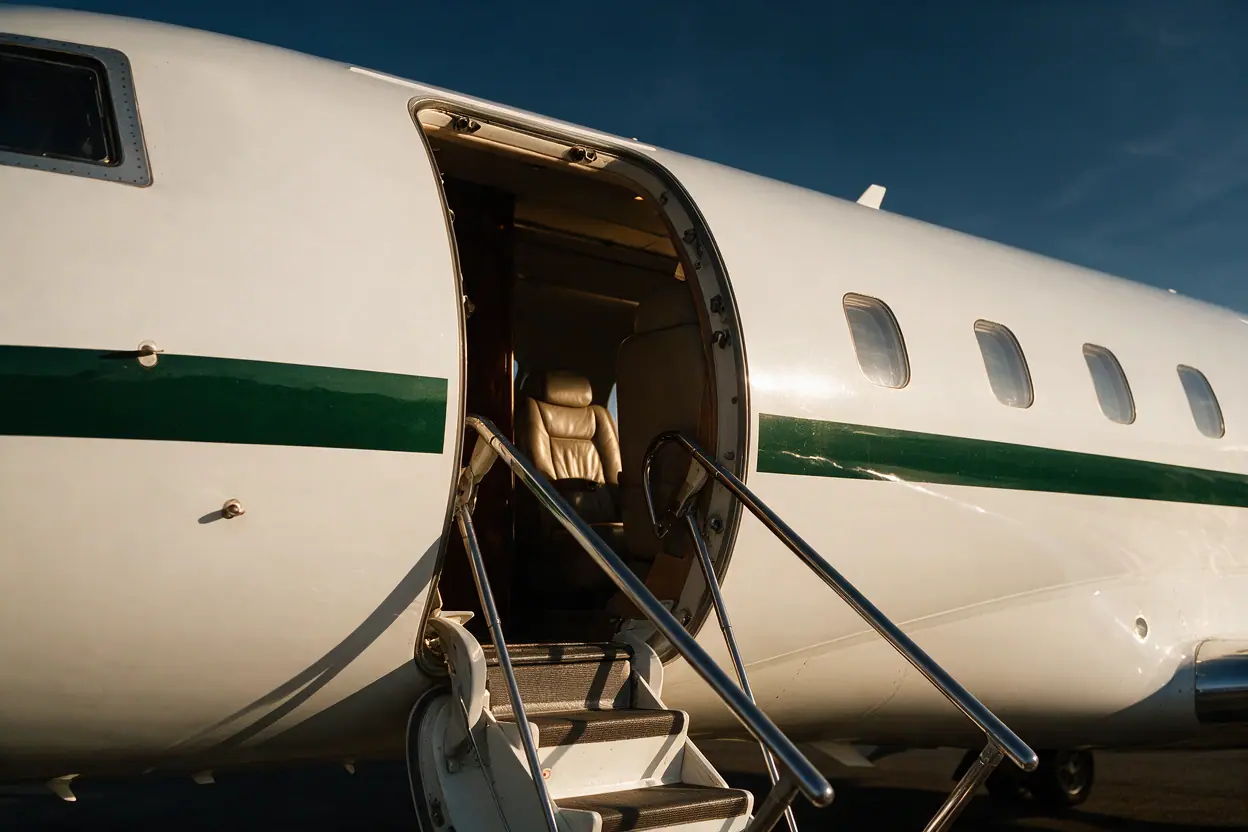
These are realistic one-way charter ranges for a light jet, the smallest class with the legs to reach the islands. Use them as a starting point, not a quote. A super-midsize or heavy jet costs more per hour but adds cabin, baggage and nonstop reach from farther inland. Prices are estimates that shift with date, direction and how far ahead you book.
| Class | Seats | Cruise | Hourly estimate |
|---|---|---|---|
| Turboprop | 6-8 | 300 kt | $2,200–$3,500 |
| Light jet | 4-7 | 430 kt | $3,800–$5,800 |
| Midsize jet | 7-9 | 440 kt | $5,200–$7,800 |
| Super-midsize jet | 8-10 | 470 kt | $7,200–$10,000 |
| Heavy jet | 10-14 | 470 kt | $9,500–$14,500 |
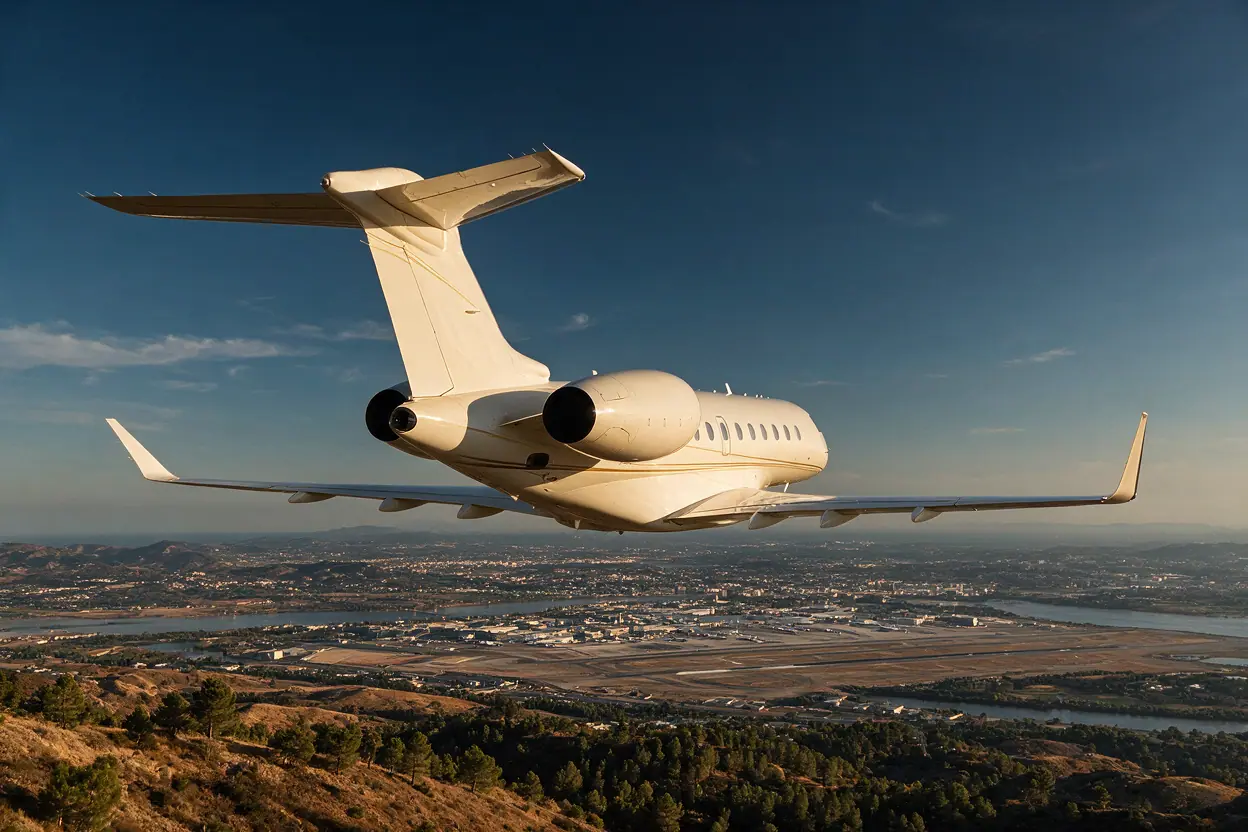
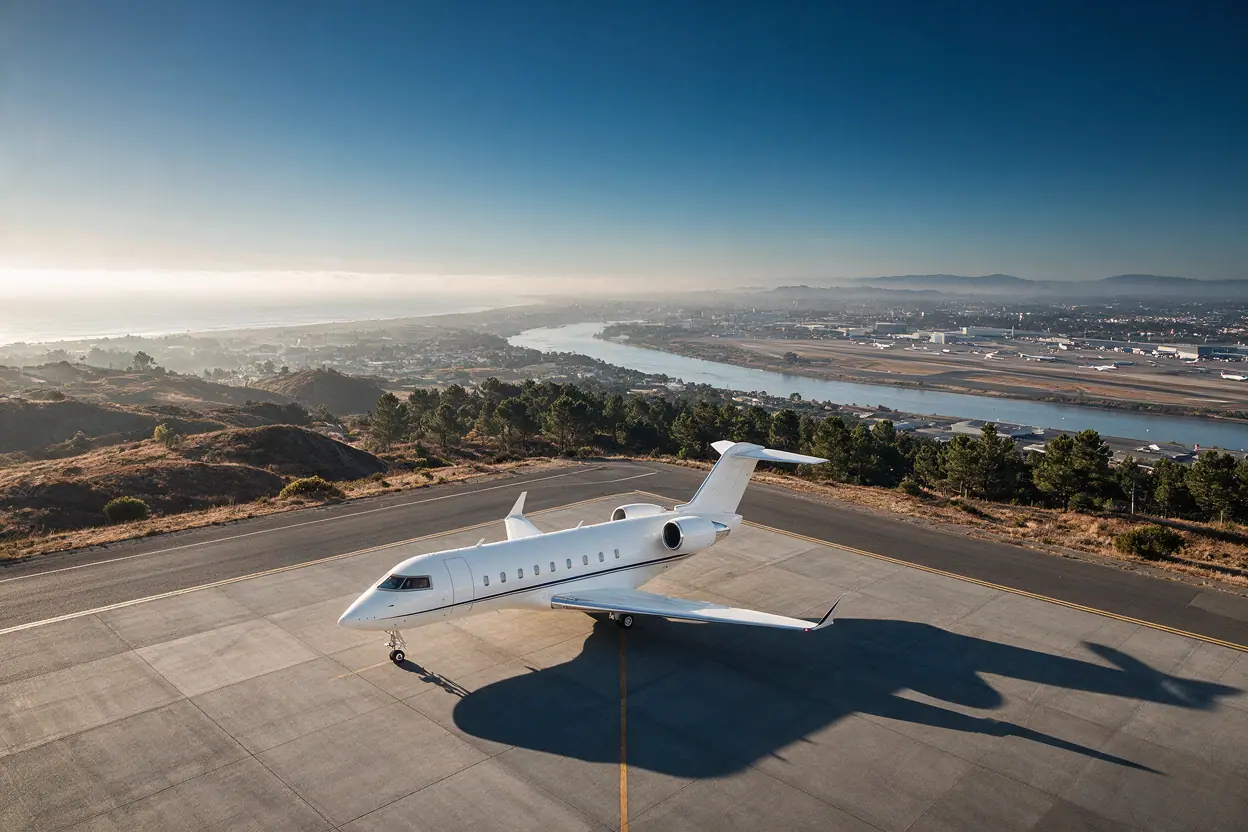
One-way price samples by route
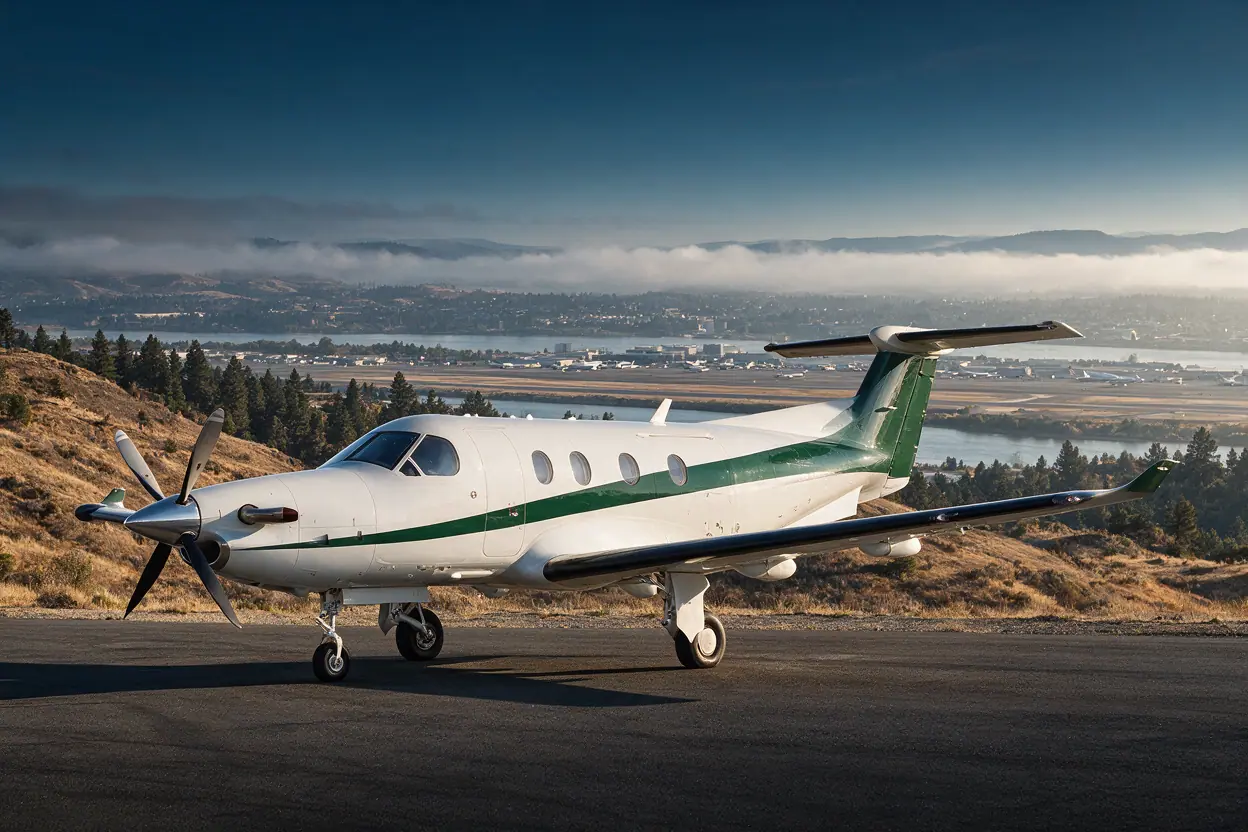
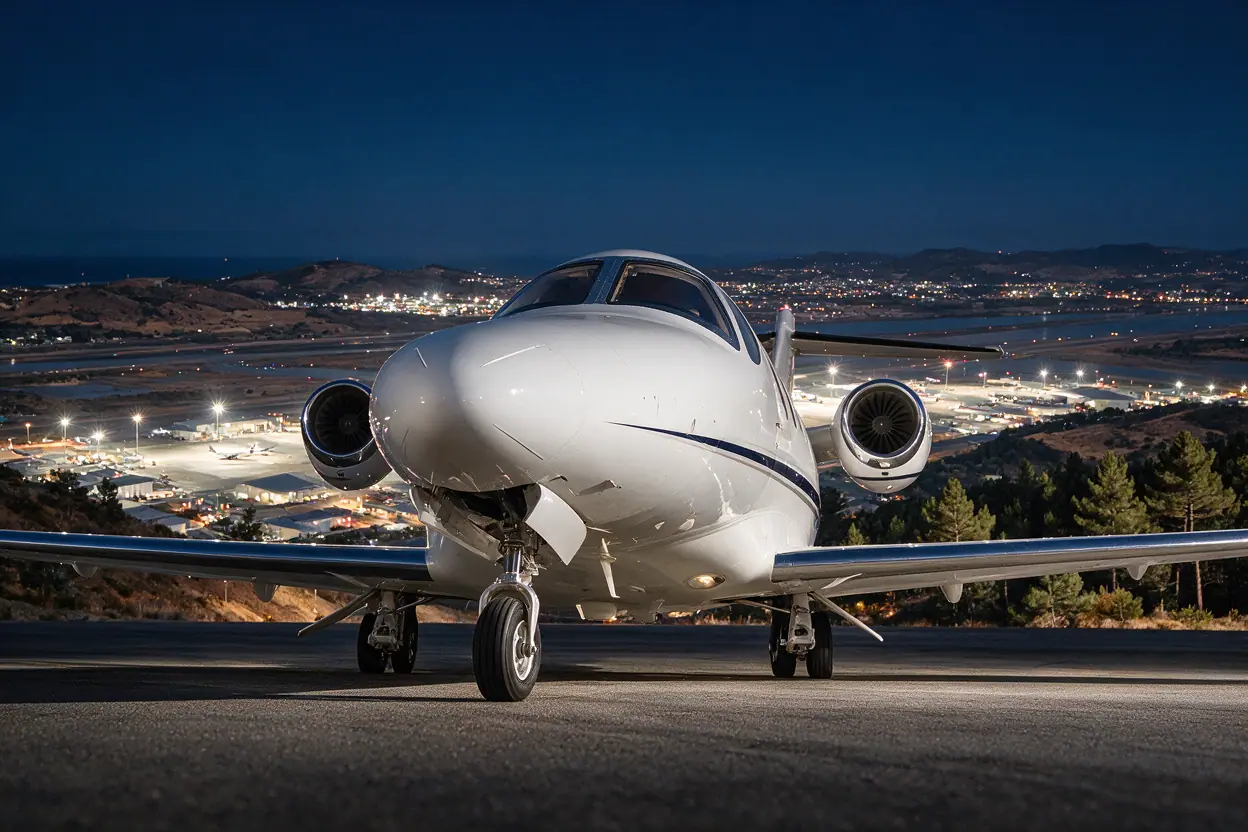
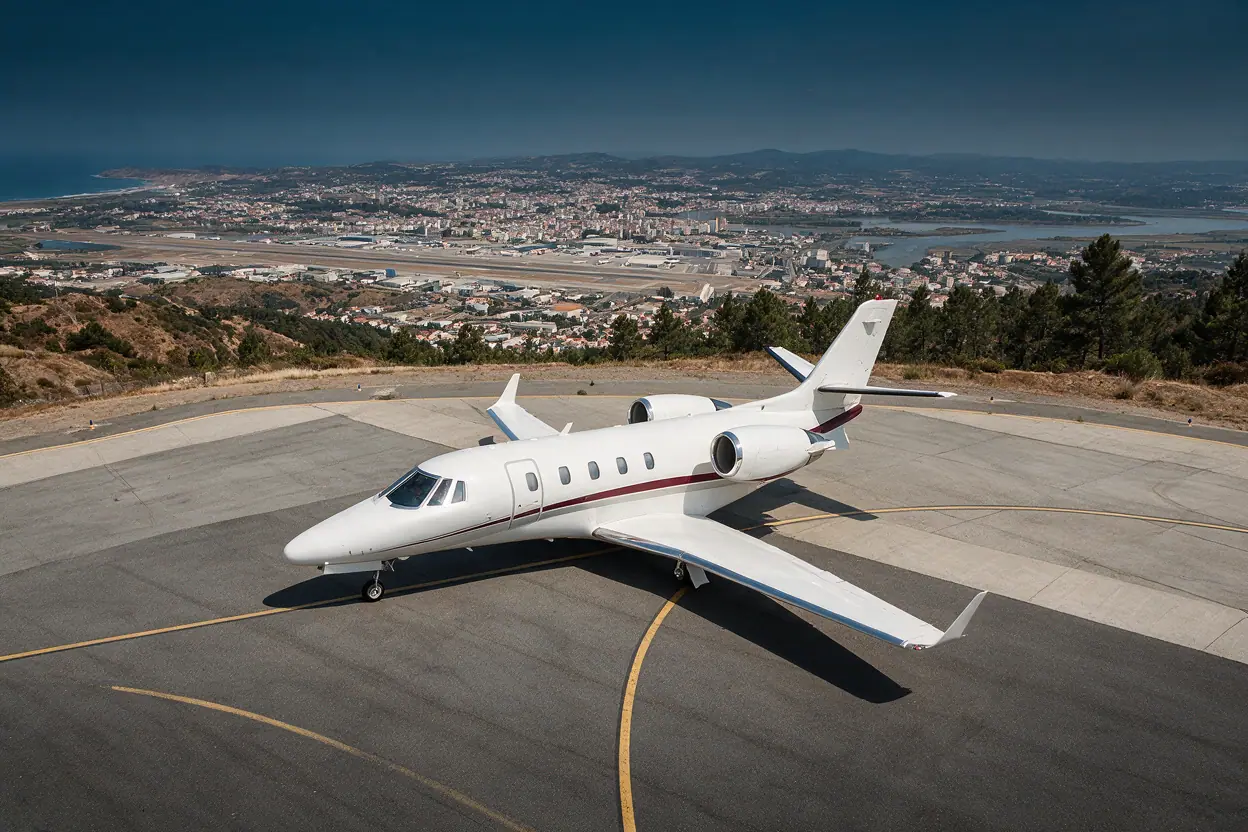
Across these 4 private jet routes, distances span 2,088 to 2,398 nautical miles, and one-way light jet estimates range from $23,500 to $40,000.
| Route | Light jet | Midsize | Heavy |
|---|---|---|---|
| Los Angeles → Honolulu | $24,500–$37,500 | $33,000–$49,500 | $50,000–$76,000 |
| San Diego → Maui | $24,500–$37,500 | $33,000–$49,000 | $49,500–$75,500 |
| Las Vegas → Honolulu | $26,000–$40,000 | $35,000–$53,000 | $53,500–$82,000 |
| Sacramento → Maui | $23,500–$35,500 | $31,500–$47,000 | $47,000–$72,000 |
What drives a Hawaii charter estimate
Distance and island
Where you leave from and which island you want set the baseline. San Francisco to Maui covers 2,031 nautical miles, while Dallas to Honolulu stretches 3,293. That gap alone moves a light jet charter from roughly $23,000 into the $34,500 to $52,500 band, so be specific about both ends of the trip. A nonstop private jet flight to Hawaii from the West Coast prices lower than an inland departure.
Aircraft class and range
Range is the hard filter. A light jet like the Citation CJ4 Gen2 (2,165 nm) or HondaJet Elite II (1,550 nm) handles shorter West Coast runs; a midsize Hawker 800XP at 2,540 nm or Citation XLS+ at 2,100 nm opens more city pairs. Super-midsize and heavy jets reach from farther east. Choosing the right class of jet for the route controls both range and hourly cost on Hawaii flights.
Crew duty and flight time
Long overwater legs stress crew duty limits. A light jet from Las Vegas to Honolulu runs 6h 54m and Phoenix to Maui 7h 04m, so scheduling and pilot rest shape which operators can bid. When a leg pushes past comfortable single-crew duty, then a second pilot or a larger jet becomes the practical answer. Crew duty rules on long overwater routes often decide which operators can quote a Hawaii flight.
Season and demand
Holiday weeks, spring break and summer drive Hawaii demand and pricing. Whale season and the winter surf months pull traffic to Maui and Oahu, while shoulder weeks price softer. If you can travel midweek in a shoulder month, then expect better availability and lower quotes than a peak Friday. Booking a private jet to Maui in a shoulder week usually beats a holiday-week departure on price.
Passengers and baggage
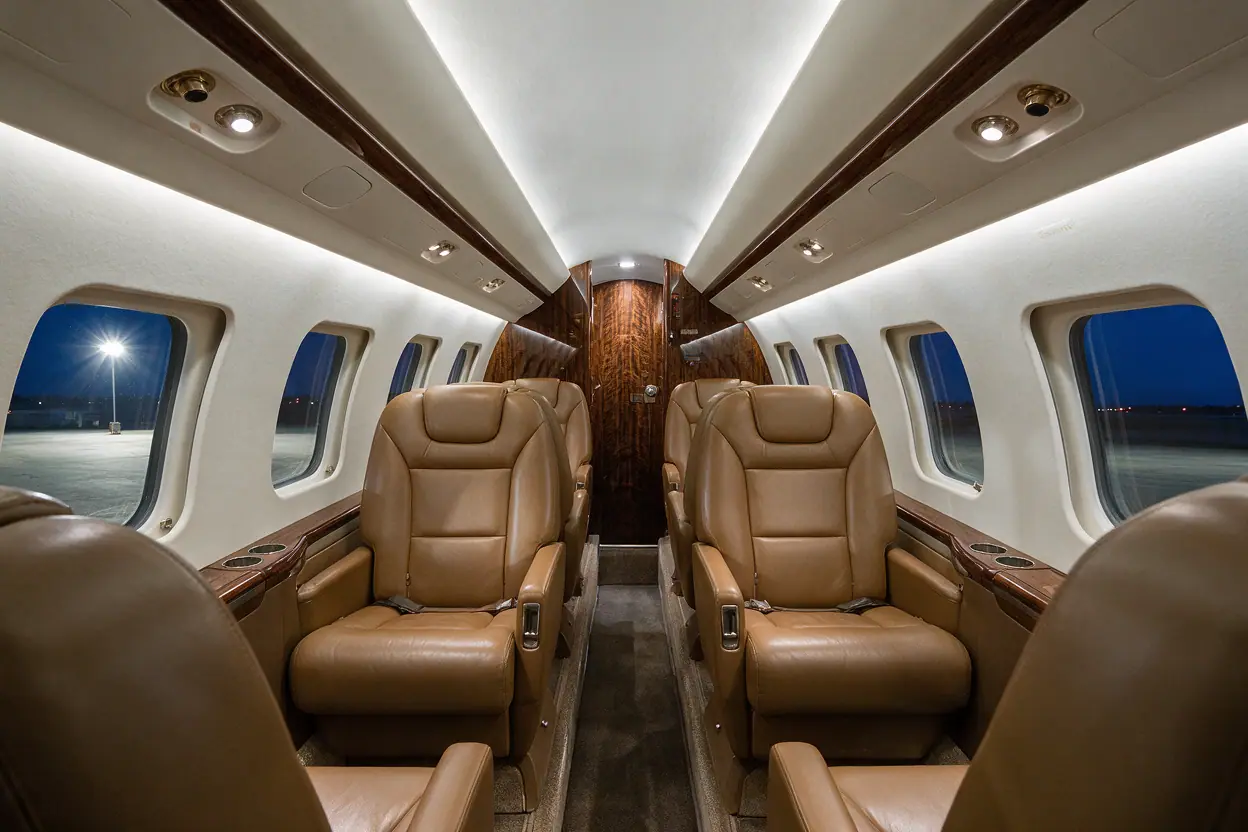
Cabin size and baggage volume matter on island trips where golf bags and dive gear ride along. A Challenger 650 carries 12 passengers with 115 cu ft of baggage; a King Air 350i carries 8 with 55 cu ft. If your group exceeds a light jet's 7 seats, then a super-midsize or heavy jet is the realistic option. Group size and baggage volume on a Hawaii charter determine whether a light or heavy jet fits.
One-way versus round trip
Many island charters are priced round trip because the aircraft often waits or repositions. A one-way quote can look cheaper until repositioning is added. If your dates are fixed and the jet would otherwise fly home empty, then a round-trip booking usually prices better per leg. Round-trip pricing on Hawaii jets often works out better than two separate one-way charters.
Fees beyond the hourly rate
The hourly figure is only part of the picture. Expect segment fees, landing and handling charges at the Hawaii airport, and crew overnight costs if the aircraft stays. International legs bring customs and border protection processing through CBP, and TSA screening rules apply at some departure airports. Density altitude at island fields stays modest, so payload is rarely the constraint; the mainland departure airport usually matters more.
As a charter broker we act as your agent under DOT Part 295 and arrange flights with FAA Part 135 operators who hold operational control and responsibility for the flight. That distinction matters when you compare quotes: the operator sets crew, maintenance and safety standards, and the broker coordinates the itinerary, contracts and billing. Ask for the operator name and certificate before you commit.
Ways to lower the number
Fly from a closer airport
Departure city drives the estimate. San Francisco to Maui at 2,031 nm and San Jose to Honolulu at 2,098 nm sit at the low end, while Las Vegas to Honolulu at 2,398 nm and Phoenix to Maui at 2,467 nm cost more. Driving to a closer field can save real money on a light jet.
Watch for empty legs
Repositioning flights sometimes run one way at a reduced rate when an operator needs the aircraft back. Availability is unpredictable and rarely lands on your exact dates, but if flexibility is acceptable, then an empty leg can beat a standard charter quote on a Hawaii route.
Choose the island carefully
Honolulu, Kahului, Kona and the other island airports differ in distance and handling. Kahului sits 2,692 miles from the strip reference and Honolulu 2,759, so island choice shifts the math slightly. Pair the island with the closest mainland departure for the best combination of price and schedule.
Book ahead and stay flexible
Lead time matters more than any single discount. If you can move your dates by a day or two, then operators have room to position aircraft efficiently and quote lower. Last-minute island charters during peak weeks tend to price at the top of the range.
Questions
What is a realistic private jet to Hawaii estimate for 2026?
Most one-way light jet charters from the West Coast fall between $23,000 and $40,000, with San Francisco to Maui near $23,000 to $35,000 and Las Vegas to Honolulu at $26,000 to $40,000. Longer inland routes like Dallas to Honolulu run $34,500 to $52,500. Treat all of these as estimates until an operator confirms your dates.
How much does a private jet charter to Maui cost from California?
From San Francisco to Maui, light jet charters run about $23,000 to $35,000 one way over 2,031 nautical miles. San Diego to Maui sits at $24,500 to $37,500, and Sacramento to Maui at $23,500 to $35,500. A midsize or super-midsize jet adds cabin height and baggage but costs more per hour.
Which airports do private jets use in Hawaii?
The main gateways are Daniel K. Inouye in Honolulu (PHNL), Kahului on Maui (PHOG) and Ellison Onizuka Kona (PHKO). Each has FBO handling and long enough runways for heavy jets. Your broker matches the island airport to your itinerary so ground time stays short.
Can a light jet fly nonstop to Hawaii?
Only from the closest West Coast departures. A Citation CJ4 Gen2 with 2,165 nm of range reaches some island pairs, but a HondaJet Elite II at 1,550 nm does not. For longer routes like Dallas to Honolulu at 3,293 nm, plan on a super-midsize or heavy jet such as a Challenger 650 or Falcon 900LX.
How long is the flight from the West Coast to Hawaii by private jet?
A light jet from Los Angeles to Honolulu takes about 6h 28m, and San Francisco to Maui about 6h 01m. From Las Vegas it is roughly 6h 54m to Honolulu, and Phoenix to Maui about 7h 04m. Crew duty limits shape scheduling on these long overwater legs.
What fees are not included in the hourly rate?
Landing and handling at the Hawaii airport, segment fees, crew overnight costs and any customs processing for international legs are typically separate. Your broker should itemize these before you sign. The hourly estimate is a starting point, not the final invoice, so ask for a full breakdown.